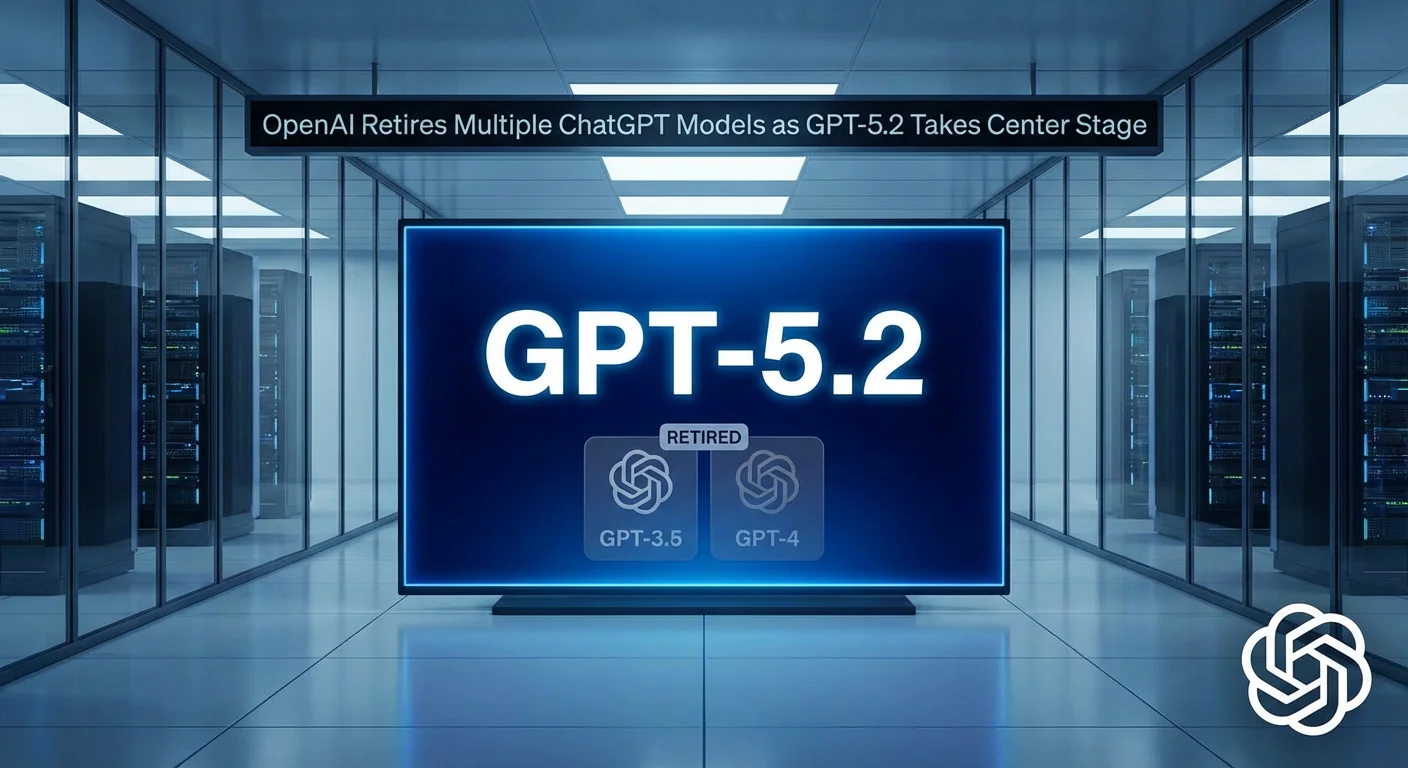
Major Model Retirement Reshapes ChatGPT Landscape
OpenAI executed a significant platform overhaul on February 13, 2026, retiring several older models including the popular GPT-4o, GPT-4.1, GPT-4.1 mini, and OpenAI o4-mini from ChatGPT. This marks a pivotal moment as the company consolidates its offerings around the newer GPT-5.2 model family, signaling a strategic shift in how artificial intelligence services are delivered to consumers.
The retirement of GPT-4o deserves special attention given its controversial history. After initially deprecating the model, OpenAI restored access following user feedback about its conversational warmth and creative capabilities. However, usage statistics revealed that only 0.1% of daily users continued selecting GPT-4o, with the vast majority migrating to GPT-5.2.
Deep Research Gets Smarter
OpenAI introduced substantial improvements to ChatGPT’s deep research functionality throughout early February 2026. Users can now focus research on specific websites and connect a broader collection of apps as trusted sources. A redesigned sidebar and fullscreen report view make research management more intuitive, allowing users to create and edit research plans before execution and track progress mid-run.
The GPT-5.2 Instant model received updates improving response style and quality. Users should notice more measured, contextually appropriate tones, with clearer answers to advice-seeking questions that place important information upfront. These refinements address long-standing user complaints about overly cautious or preachy responses.
Voice and Visual Enhancements Roll Out
ChatGPT Voice received significant upgrades in February 2026, improving its ability to follow user instructions and leverage tools like web search for more complete, up-to-date answers. The update primarily benefits free ChatGPT users and Plus subscribers when message limits are reached. Advanced Voice features now include better intonation and naturalness, with improved language translation capabilities that continue throughout conversations.
Responses in ChatGPT have become more visual and scannable, incorporating at-a-glance visuals for everyday questions like sports stats, unit conversions, and calculations. Important people, places, products, and ideas are now highlighted, with tappable side panels providing key facts and trusted sources without requiring follow-up questions.
ChatGPT Growth Accelerates
CEO Sam Altman revealed in an internal message that ChatGPT has returned to exceeding 10% monthly growth, with over 800 million people using the chatbot weekly. OpenAI’s Codex product grew approximately 50% in a single week, demonstrating strong competition against Anthropic’s Claude Code. The company also launched GPT-5.3-Codex-Spark, optimized for ultra-low latency on specialized hardware.
Enterprise and Subscription Options Expand
Organizations like UCSF are launching ChatGPT Enterprise deployments in February 2026, with HIPAA compliance and data protection features enabling secure AI usage in healthcare settings. ChatGPT Go, a lower-cost subscription plan, continues expanding internationally, offering more messages, larger file uploads, and expanded image generation for users seeking capabilities beyond the free tier without requiring full Plus subscriptions.
What This Means for Users
The model retirement forces users onto more modern infrastructure while OpenAI promises continued improvements to personality, creativity, and reducing unnecessary refusals. Custom GPTs for Business, Enterprise, and Edu customers retain GPT-4o access until April 3, 2026, providing transition time. The company’s focus on GPT-5.2 reflects confidence that newer models adequately replace deprecated ones, though the relatively quick retirement cycle raises questions about long-term model availability strategies.